The Aion research catalog
Each certificate of analysis names the laboratory that ran the analysis. Where a certificate is on file, the product page publishes it.
We ship to all 50 states. Free shipping on orders over $150.
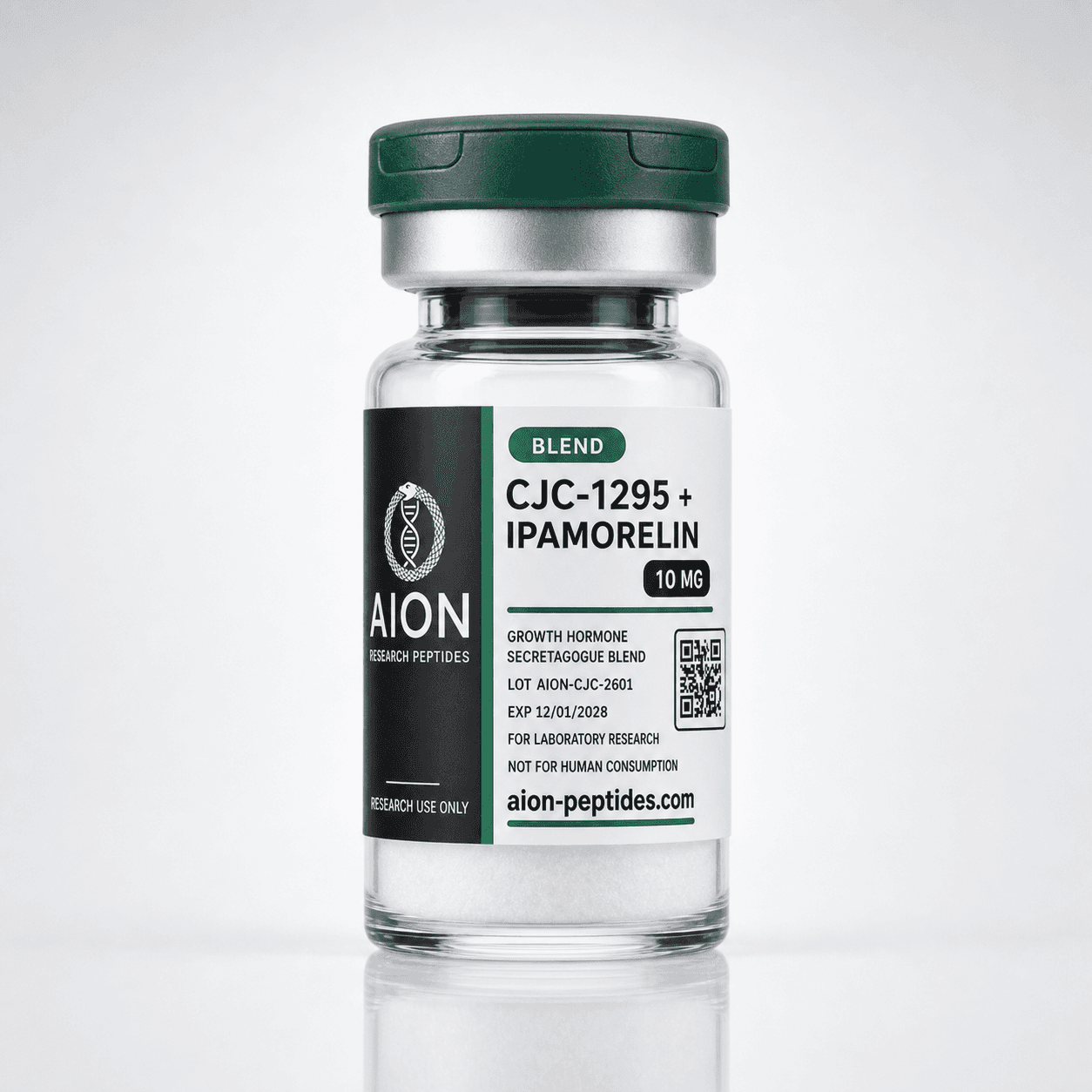
CJC-1295 + Ipamorelin 10mg (blend)
A blend of two secretagogues studied together for their complementary mechanisms. CJC-1295 is a synthetic analogue of growth-hormone-releasing hormone, based on a modified GRF(1-29) sequence whose substitutions resist enzymatic degradation. Ipamorelin is a selective pentapeptide agonist at the ghrelin receptor. Because the two act on separate receptor pathways, the pair appears frequently in endocrine research examining pulsatile secretion. Supplied lyophilised. For laboratory research use only.
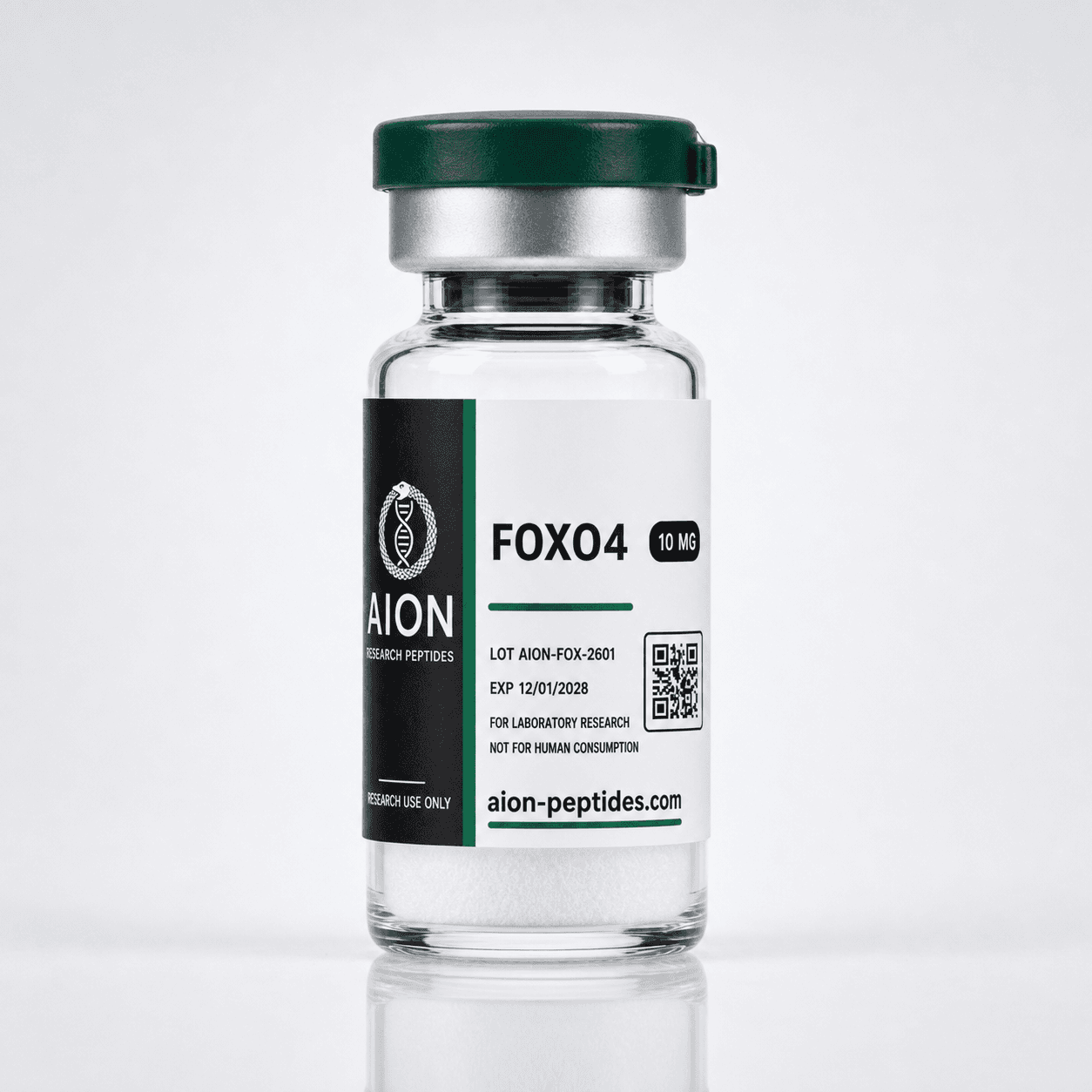
FOXO4 10mg
FOXO4-DRI is a retro-inverso peptide: built from D-amino acids in reversed sequence, which makes it resistant to the proteases that would degrade the natural form. It was designed to interfere with the FOXO4–p53 interaction, and is the reference compound in senolytic research concerned with the selective clearance of senescent cells. Supplied lyophilised. For laboratory research use only.
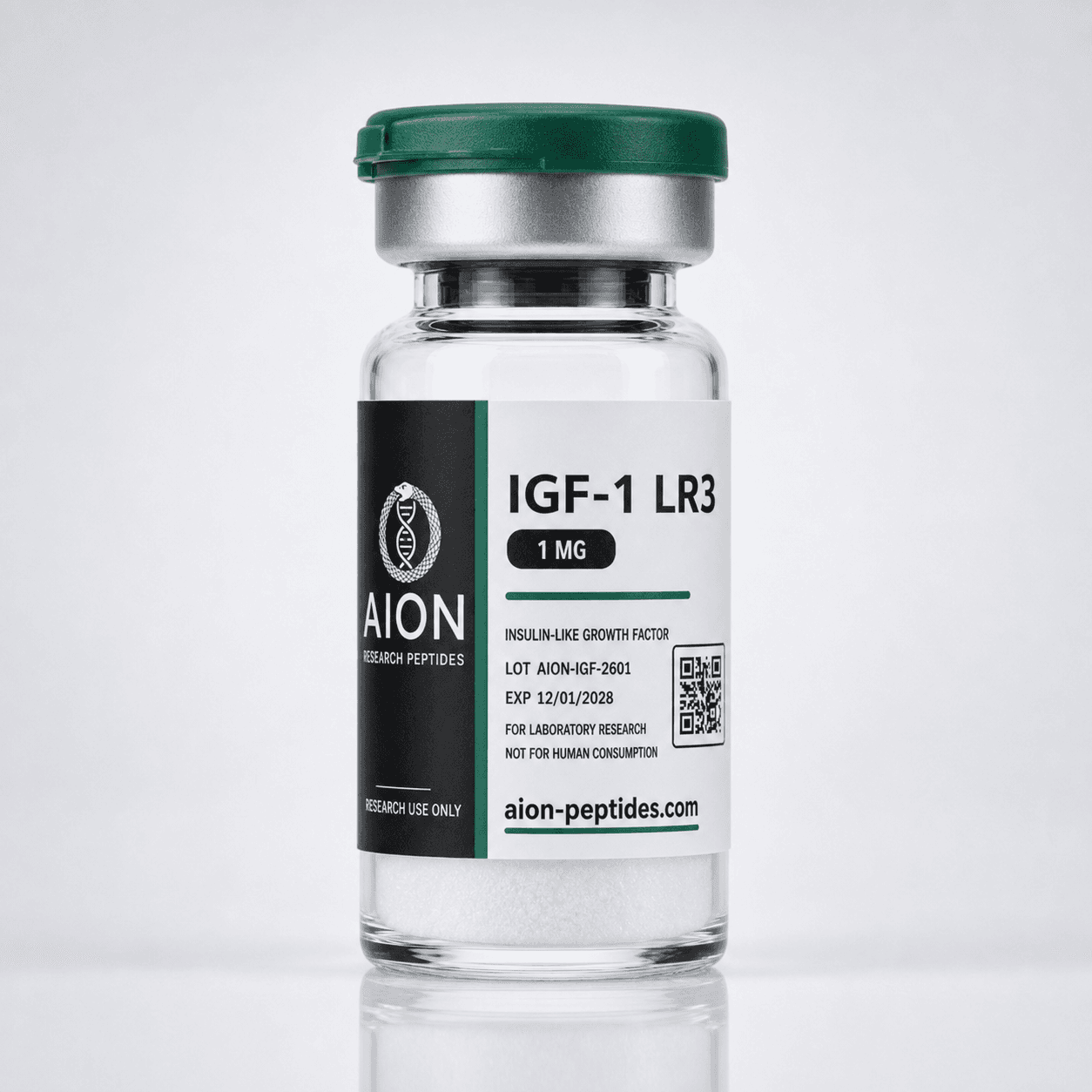
IGF-1 LR3 1mg
IGF-1 LR3 (Long R3) is an 83-amino-acid analogue of human insulin-like growth factor 1, modified by substituting arginine for glutamic acid at position 3 and adding a thirteen-residue N-terminal extension. Both changes reduce its affinity for IGF-binding proteins, which substantially extends its half-life relative to native IGF-1 and is why it is preferred for in-vitro work. Supplied lyophilised. Independently assayed by a third-party laboratory, named on this page; the certificate of analysis for this lot, with its measured purity and batch number, is published on this page. For laboratory research use only.
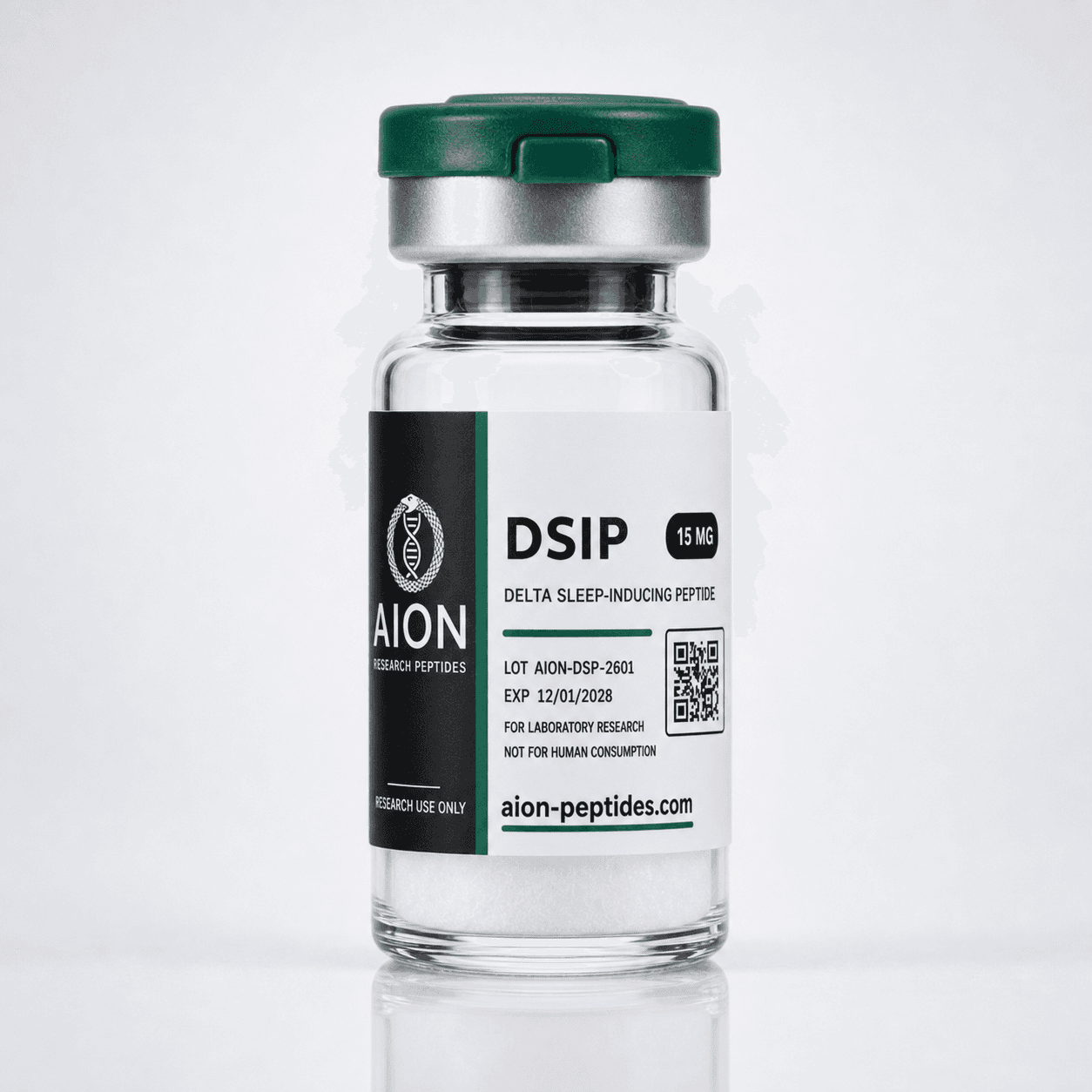
DSIP - 15mg
DSIP — delta sleep-inducing peptide — is a nonapeptide first isolated in 1977 from the cerebral venous blood of rabbits during induced slow-wave sleep, which is how it acquired its name. It crosses the blood-brain barrier readily for a peptide of its size, and appears in chronobiology and neuroendocrine research. Supplied lyophilised. For laboratory research use only.
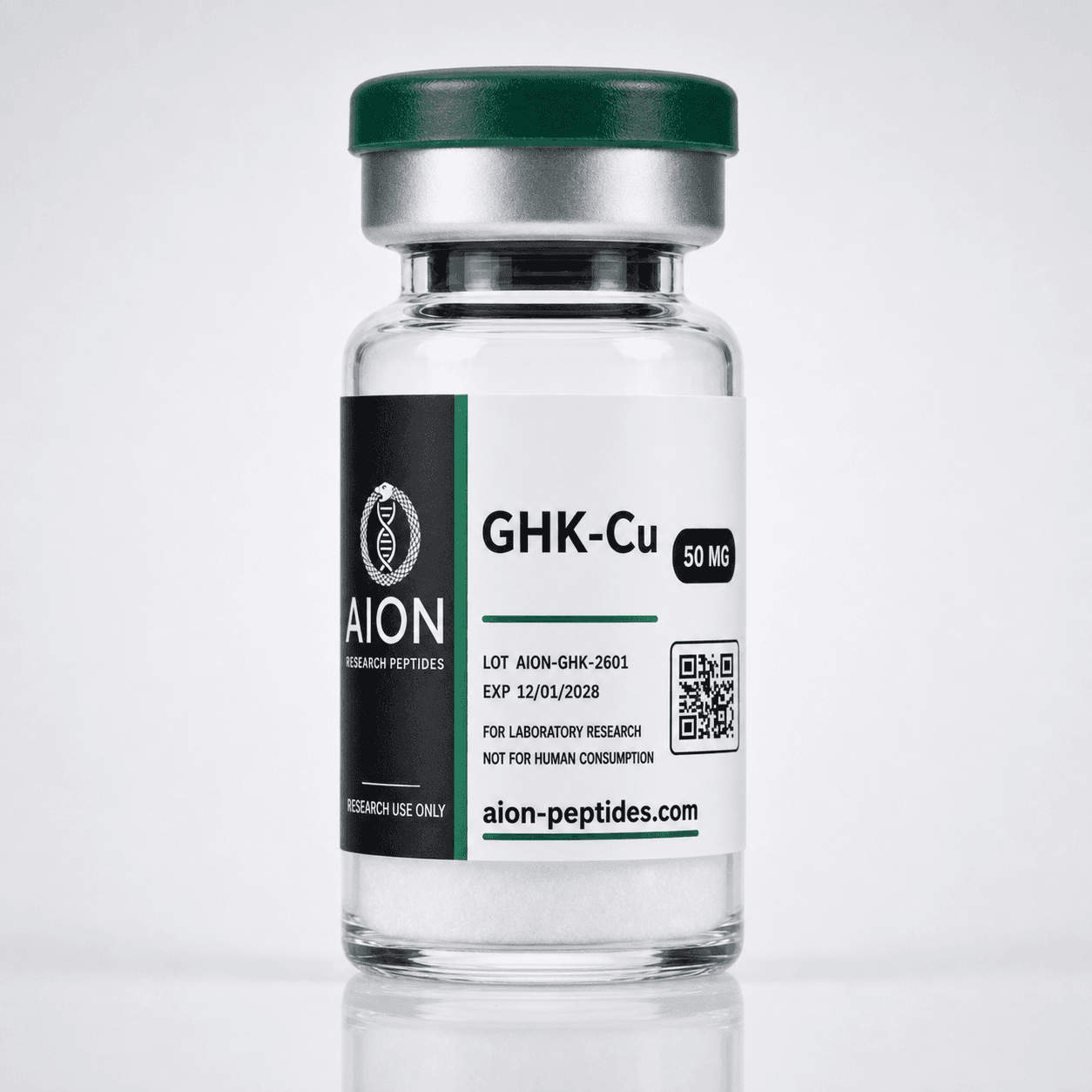
GHK-Cu 50mg
GHK-Cu is the tripeptide glycyl-L-histidyl-L-lysine complexed with copper(II). The GHK sequence occurs naturally in human plasma, where its concentration declines with age, and it binds copper with high affinity — the property that makes it a subject of extracellular-matrix and collagen-remodelling research. It appears widely in dermatological and wound-model studies. Supplied lyophilised as the copper complex, which gives it a characteristic blue colour. Independently assayed by a third-party laboratory, named on this page; the certificate of analysis for this lot, with its measured purity and batch number, is published on this page. For laboratory research use only.
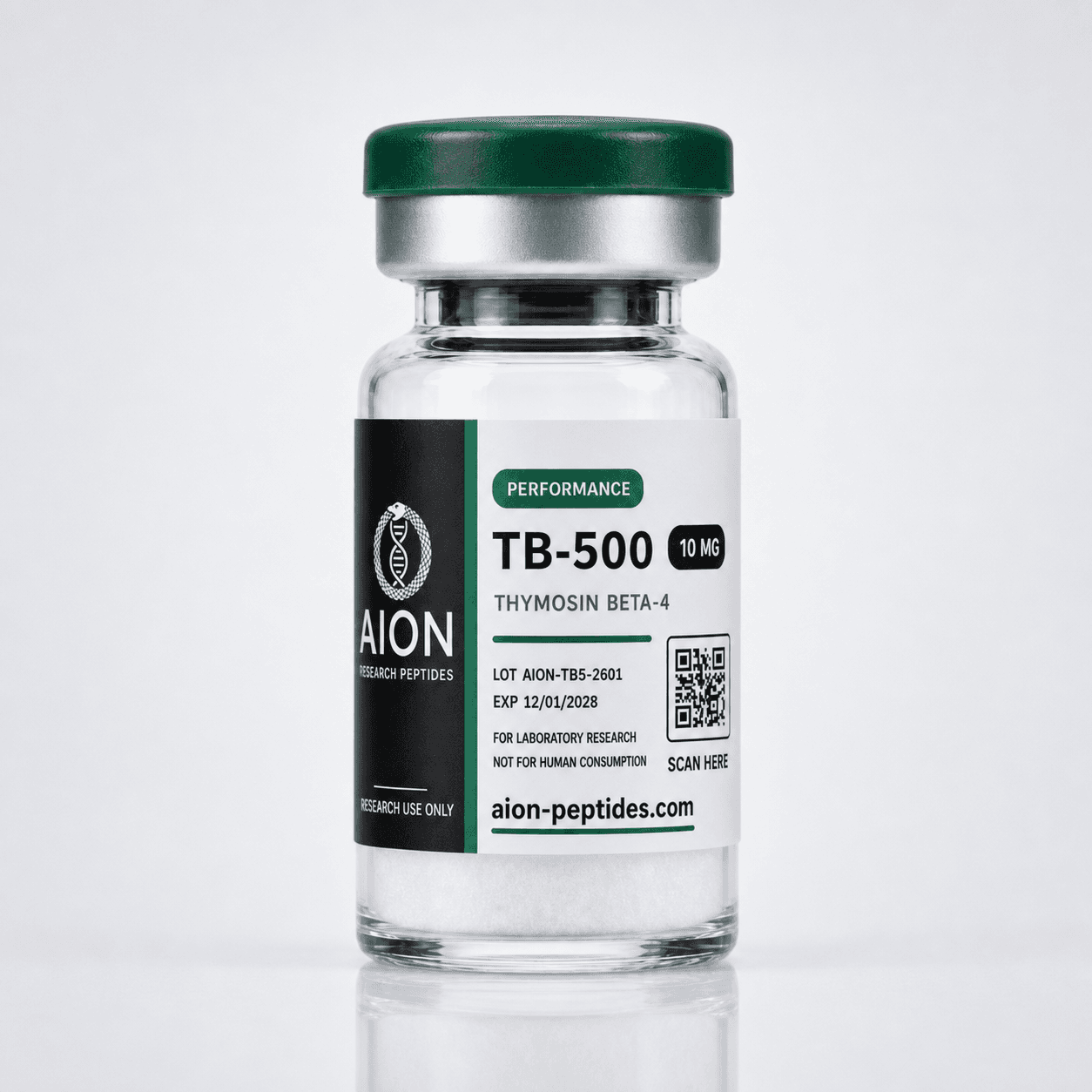
TB-500 10mg
TB-500 is a synthetic peptide corresponding to the active region of thymosin β4 — the short actin-binding sequence around residues 17–23, rather than the full 43-residue protein. Actin sequestration is the mechanism most cited in the cell-migration and tissue-repair literature in which it appears. Supplied lyophilised. Independently assayed by a third-party laboratory, named on this page; the certificate of analysis for this lot, with its measured purity and batch number, is published on this page. For laboratory research use only.
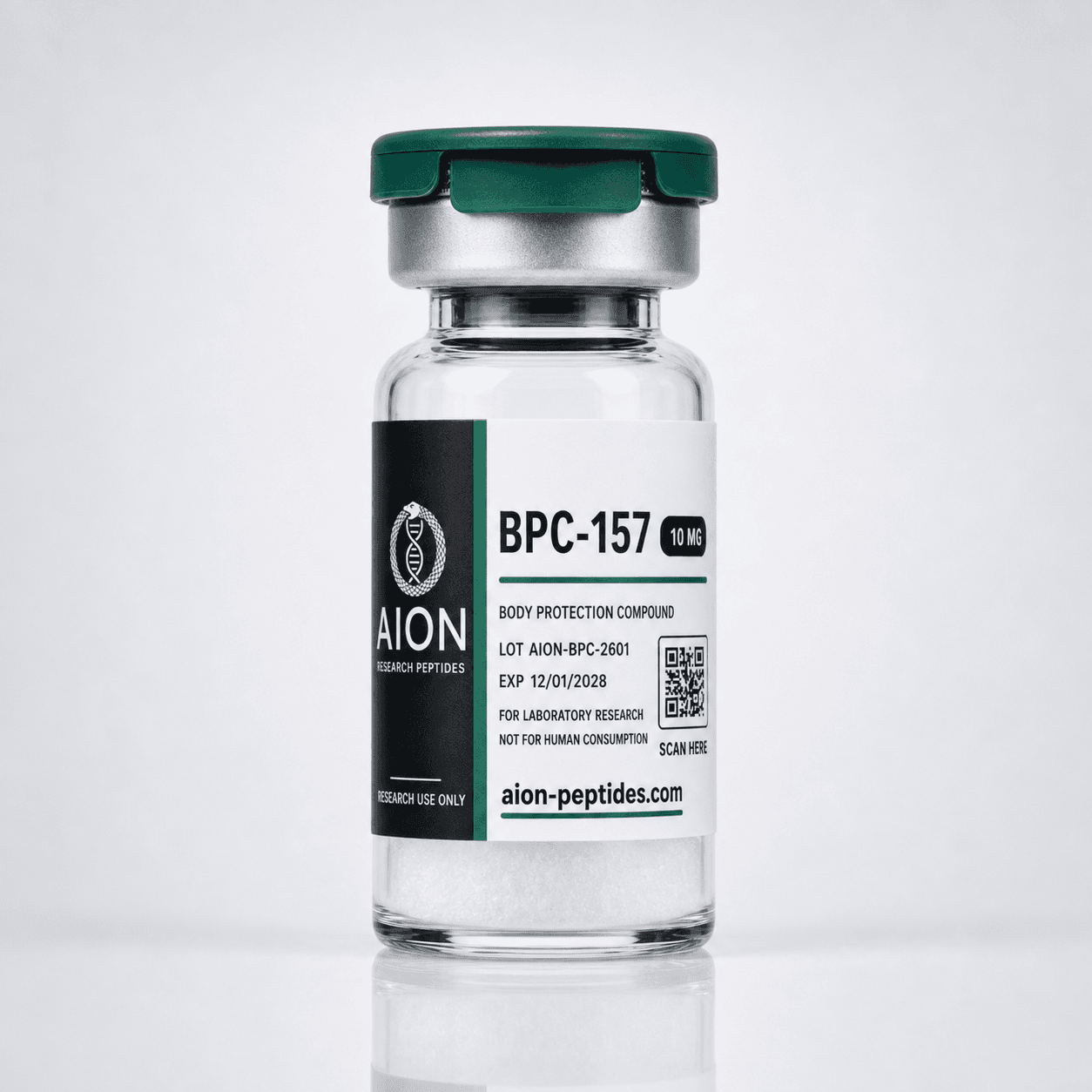
BPC-157 10mg
BPC-157 is a synthetic pentadecapeptide — fifteen amino acids — corresponding to a partial sequence of body protection compound, a protein isolated from human gastric juice. It is among the most widely cited peptides in preclinical tissue-repair literature, where it appears in studies of angiogenesis, fibroblast migration and connective-tissue models. Supplied lyophilised. Independently assayed by a third-party laboratory, named on this page; the certificate of analysis for this lot, with its measured purity and batch number, is published on this page. For laboratory research use only.
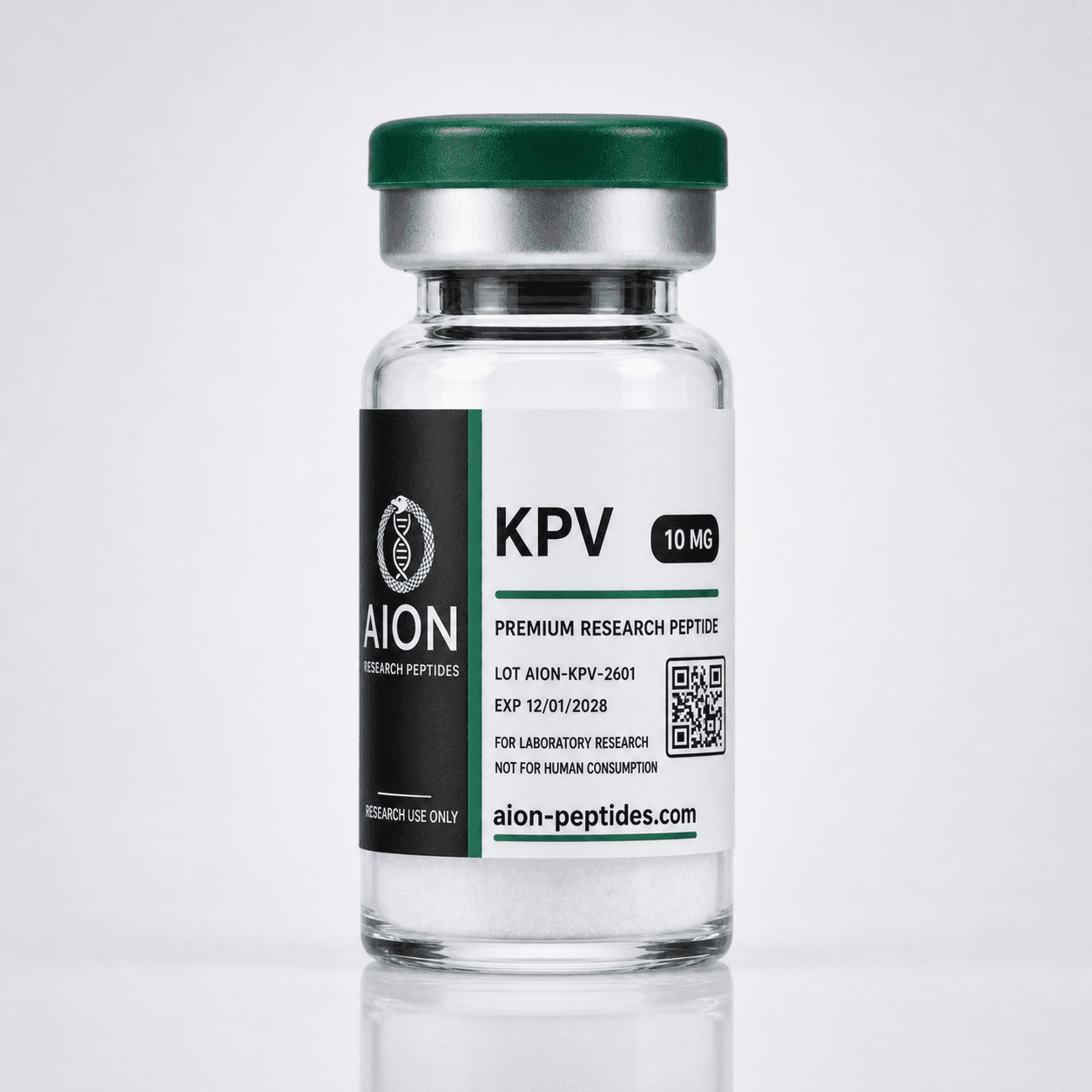
KPV - 10mg
KPV is the tripeptide lysyl-prolyl-valine, corresponding to the C-terminal three residues of α-melanocyte-stimulating hormone. It retains the anti-inflammatory activity associated with the parent hormone in the literature while lacking its pigmentary domain, and appears in gastrointestinal and dermatological inflammation research. Supplied lyophilised. For laboratory research use only.
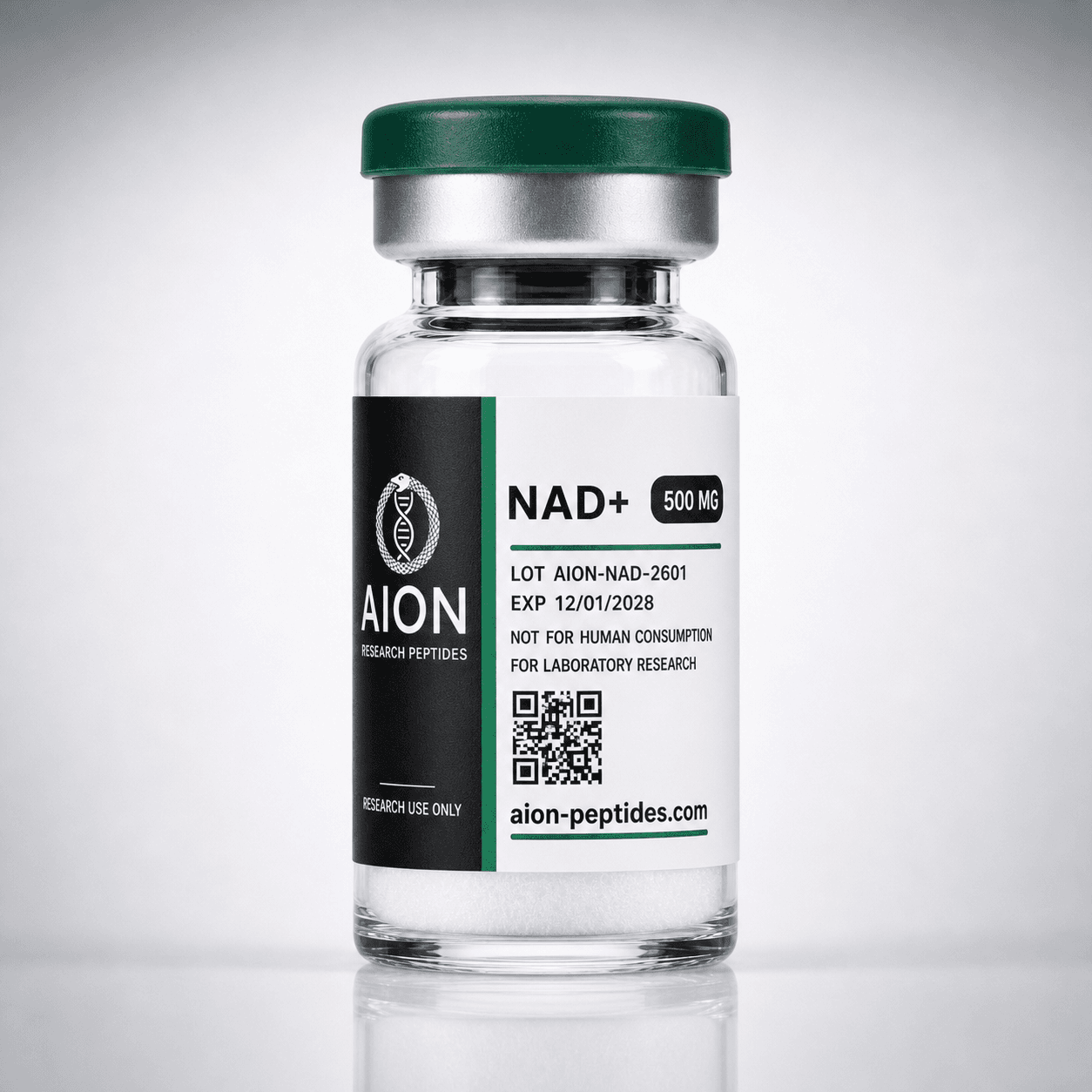
NAD+ 500mg
NAD+ — nicotinamide adenine dinucleotide — is a coenzyme present in every living cell, formed from two nucleotides joined at their phosphate groups, one bearing adenine and the other nicotinamide. It is best known as the electron carrier of the NAD+/NADH couple in glycolysis and oxidative phosphorylation, but the research interest of the past two decades lies in its second role: as a substrate consumed by sirtuins, PARPs and CD38. That consumption is what ties cellular NAD+ availability to DNA-repair and metabolic signalling research rather than to energy transfer alone. Supplied lyophilised. Independently assayed by a third-party laboratory, named on this page; the certificate of analysis for this lot, with its measured purity and batch number, is published on this page. For laboratory research use only.
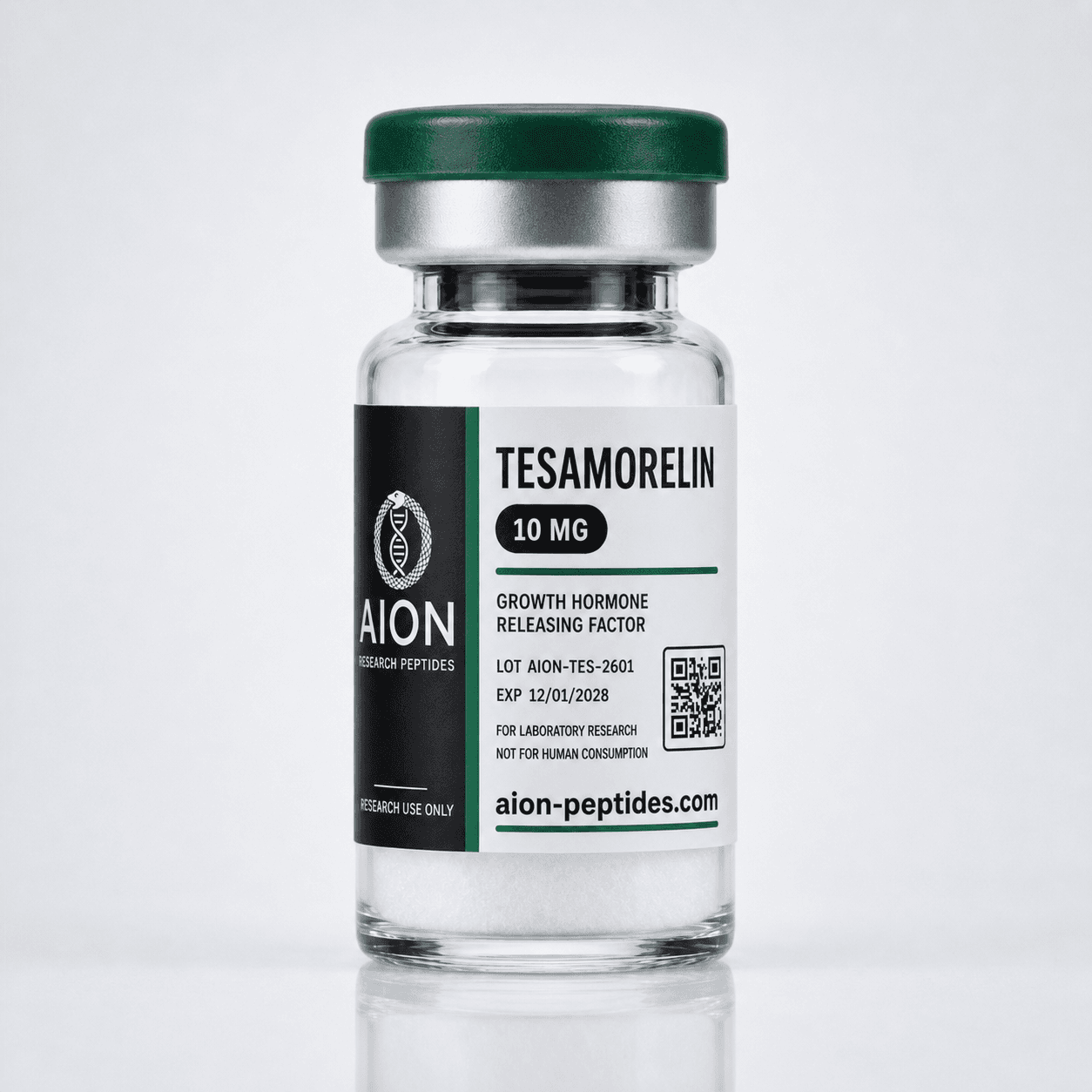
Tesamorelin 10mg
Tesamorelin is a synthetic analogue of growth-hormone-releasing hormone — the full 44-residue GRF sequence with a trans-3-hexenoyl group at the N-terminus, which protects it from dipeptidyl peptidase degradation. It is studied for its action at the GHRH receptor and appears in endocrine and adipose-distribution research. Supplied lyophilised. Independently assayed by a third-party laboratory, named on this page; the certificate of analysis for this lot, with its measured purity and batch number, is published on this page. For laboratory research use only.
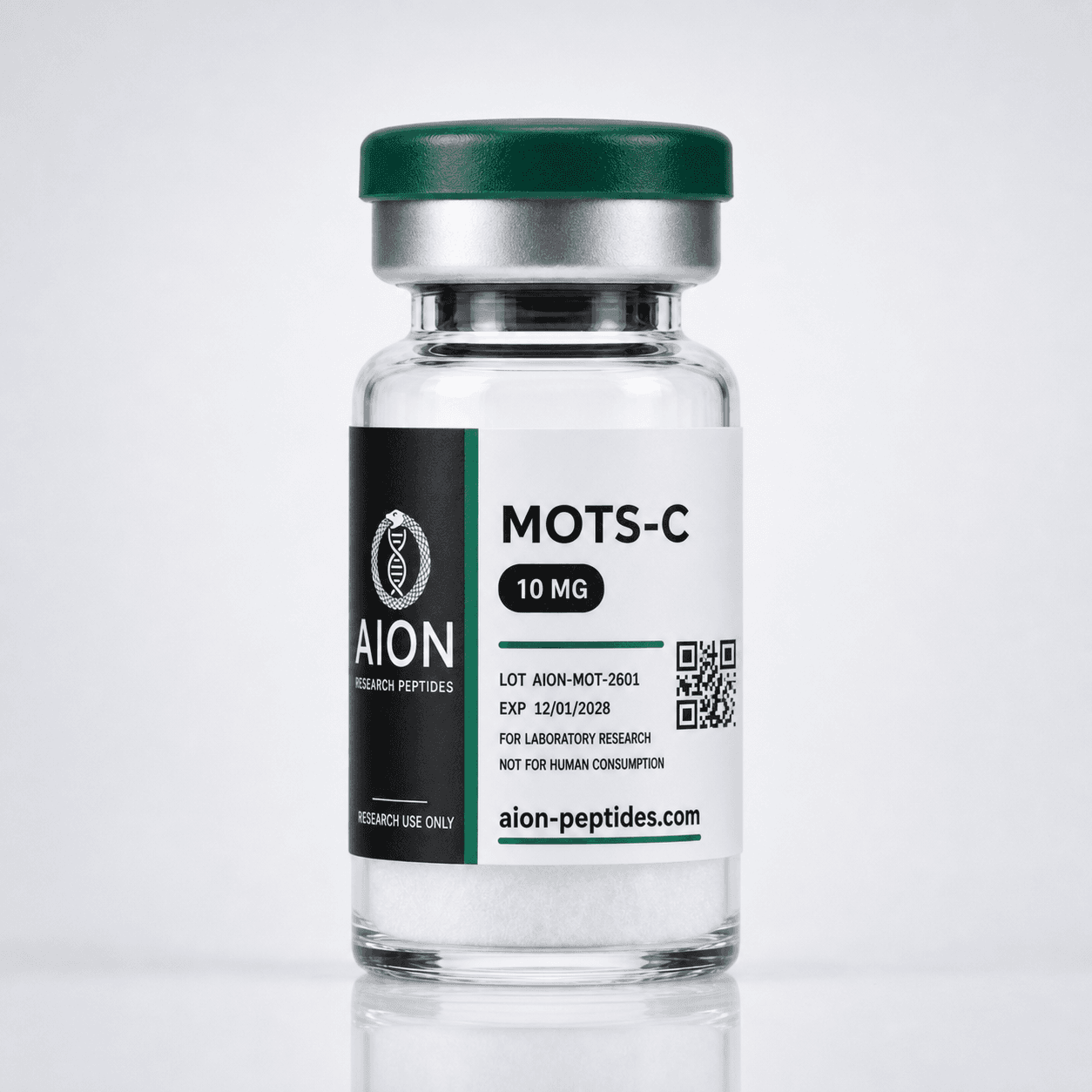
MOTS-c 10mg
MOTS-c is a sixteen-amino-acid peptide encoded not in nuclear DNA but within the mitochondrial 12S rRNA gene — one of a small number of known mitochondrial-derived peptides. That origin is why it is studied as a signalling molecule between the mitochondria and the nucleus, particularly in metabolic-regulation and AMPK-pathway research. Supplied lyophilised. Independently assayed by a third-party laboratory, named on this page; the certificate of analysis for this lot, with its measured purity and batch number, is published on this page. For laboratory research use only.
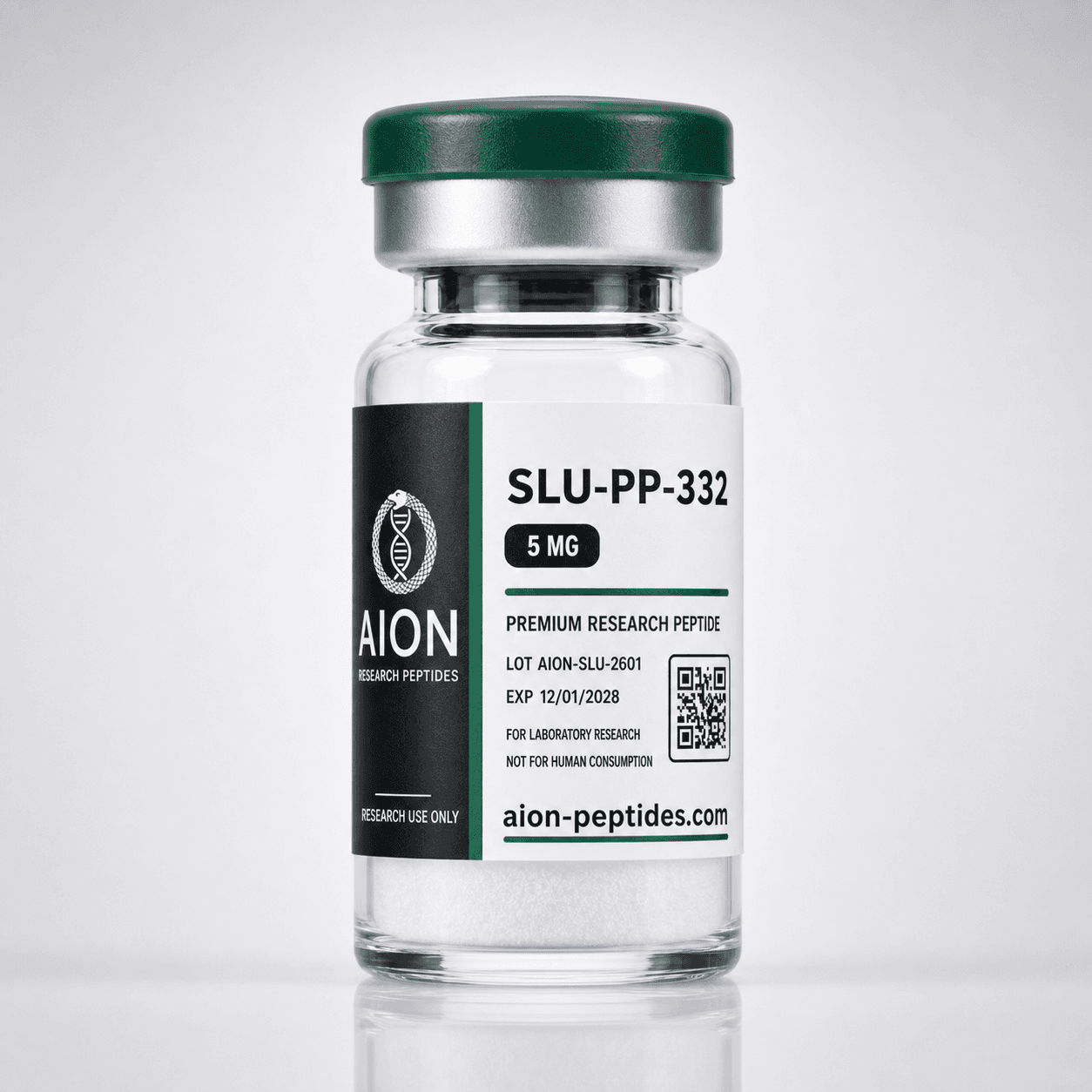
SLU-PP-332 5mg
SLU-PP-332 is not a peptide but a small-molecule agonist of the estrogen-related receptors, developed at Saint Louis University. It appears in exercise-mimetic and mitochondrial-biogenesis research, where ERR activation is studied as a route to the transcriptional changes normally associated with endurance training. Supplied lyophilised. For laboratory research use only.
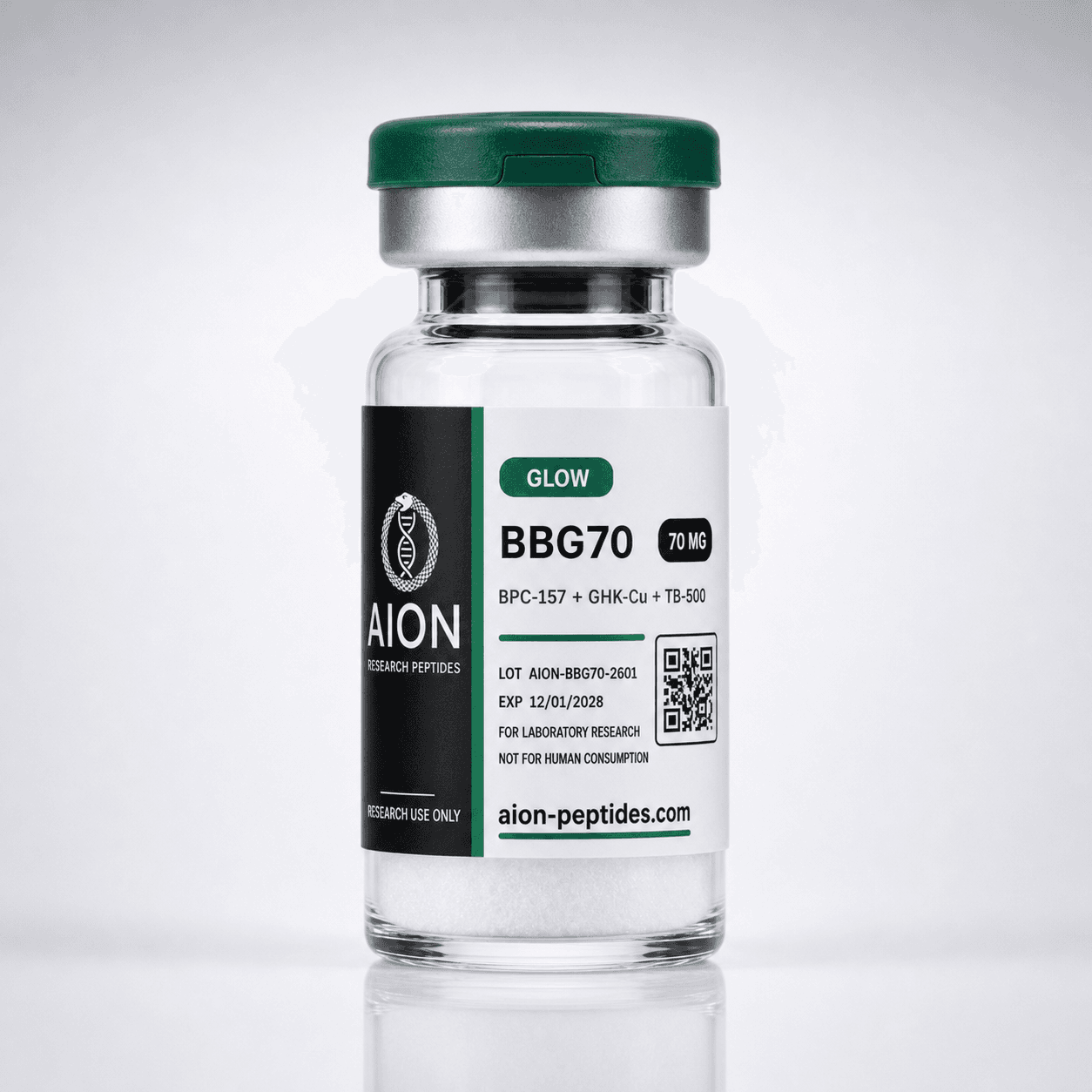
“GLOW” – BPC-157/TB-500/GHK-Cu - 70mg
GLOW combines three peptides frequently studied together in tissue-repair models — BPC-157, TB-500 and GHK-Cu — as a single 70mg preparation. The rationale for the combination is that each is associated with a different strand of that literature: angiogenesis, actin dynamics, and extracellular-matrix remodelling respectively. Supplied lyophilised. Independently assayed by a third-party laboratory, named on this page; the certificate of analysis for this lot, with its measured purity and batch number, is published on this page. For laboratory research use only.
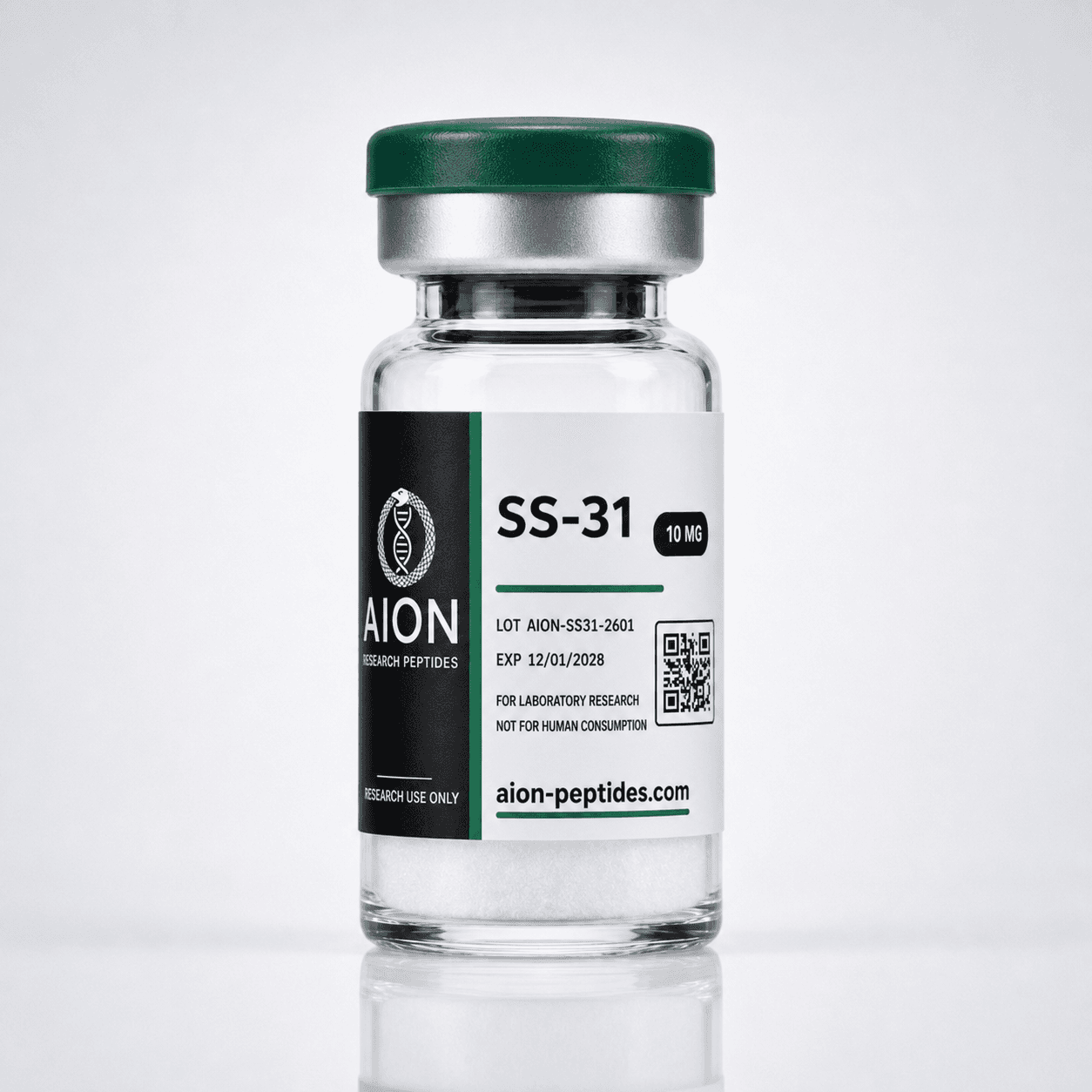
SS-31 10mg
SS-31, also known as elamipretide, is a mitochondria-targeted tetrapeptide that accumulates in the inner mitochondrial membrane and binds cardiolipin. That selectivity is the basis of its use in bioenergetics research concerned with membrane integrity and reactive oxygen species. Supplied lyophilised. For laboratory research use only.
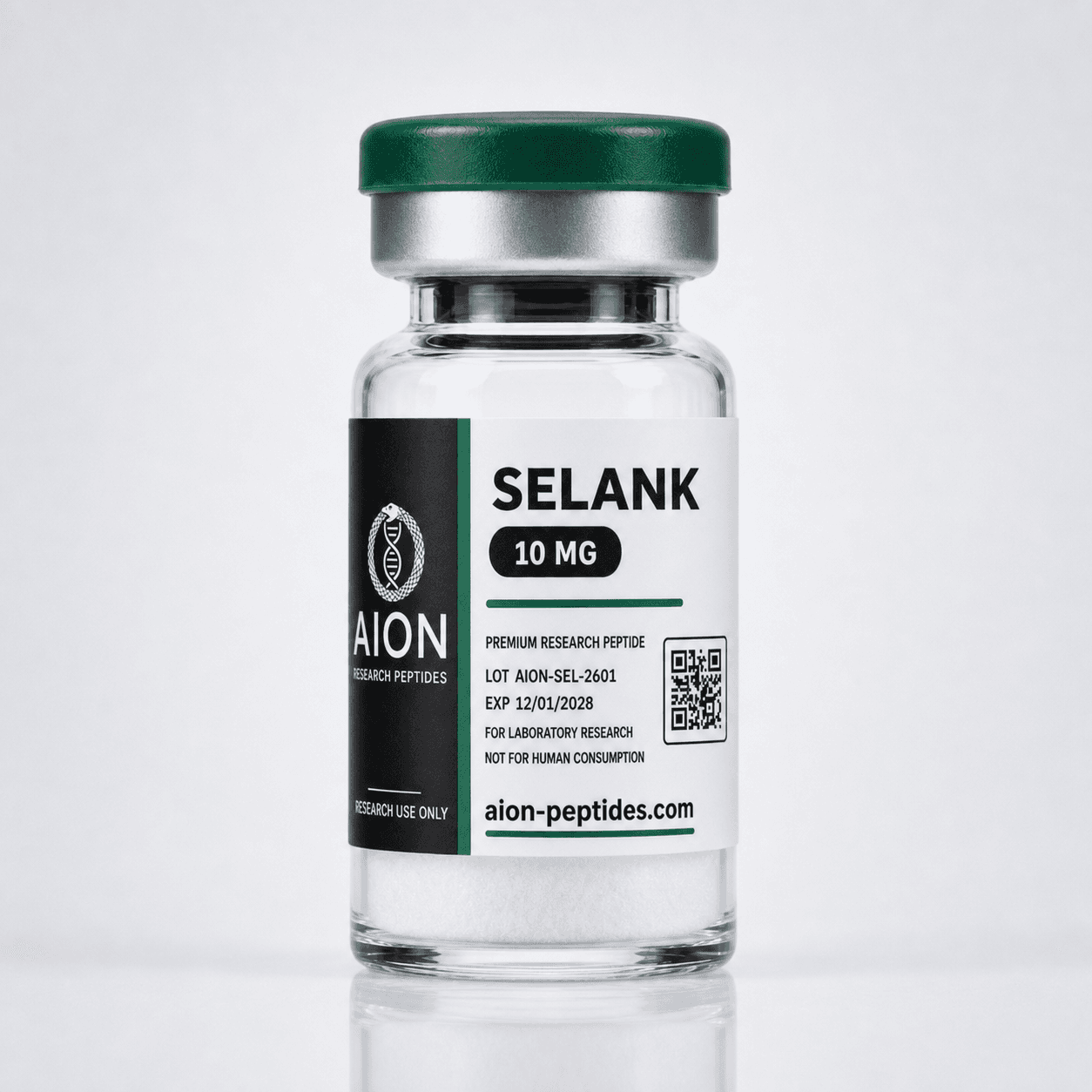
Selank 10mg
Selank is a synthetic heptapeptide developed at the Institute of Molecular Genetics in Moscow as a stabilised analogue of tuftsin, an endogenous immunomodulatory tetrapeptide. The three additional residues extend its half-life relative to tuftsin itself. It appears in neuropeptide research concerning anxiolytic mechanisms, BDNF expression and immune signalling. Supplied lyophilised. Independently assayed by a third-party laboratory, named on this page; the certificate of analysis for this lot, with its measured purity and batch number, is published on this page. For laboratory research use only.
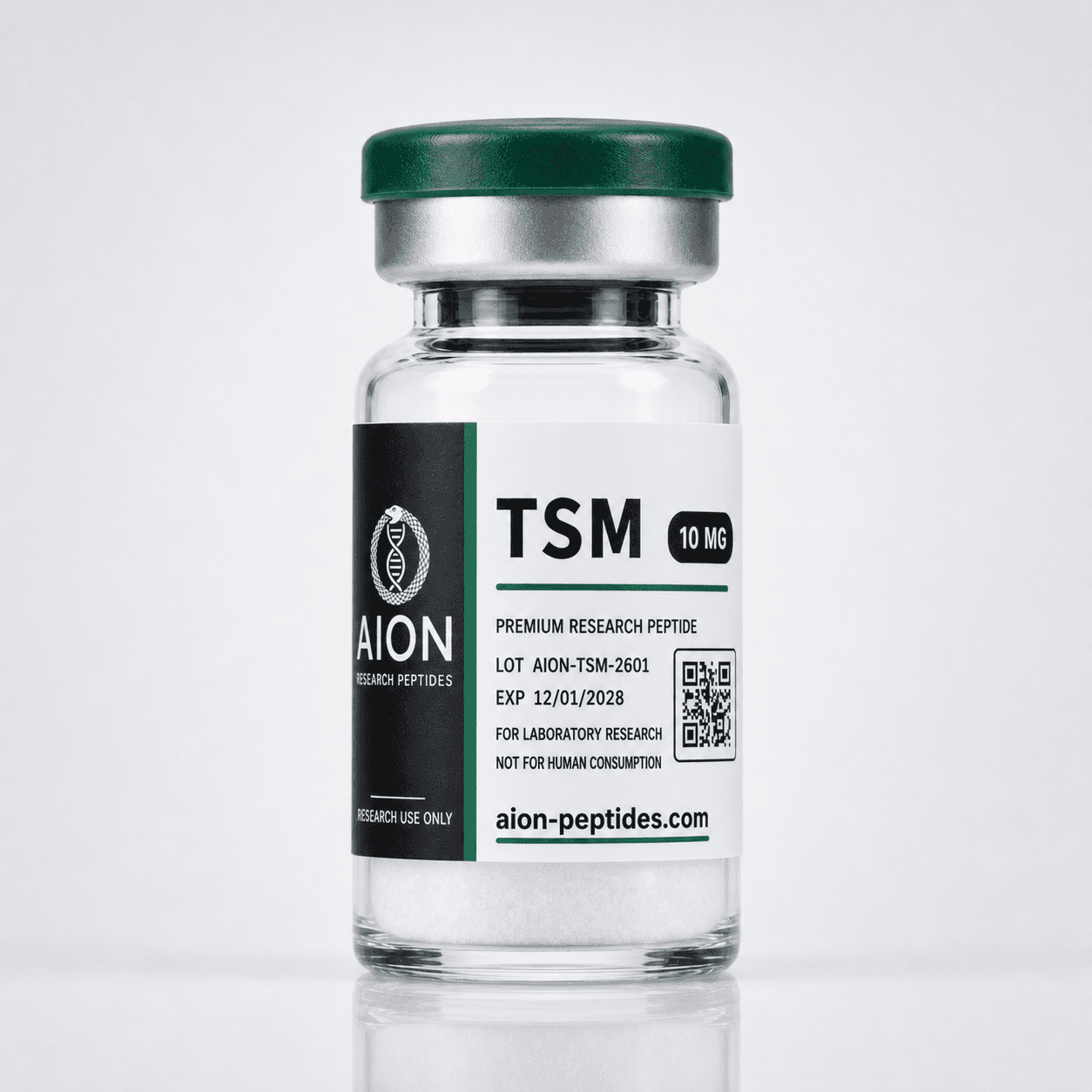
Thymosin Alpha-1 10mg
Thymosin alpha-1 is a 28-amino-acid peptide originally isolated from thymosin fraction 5, a thymic tissue extract. It is among the most studied immunomodulatory peptides, appearing in research on T-cell maturation and innate immune signalling. Supplied lyophilised. For laboratory research use only.
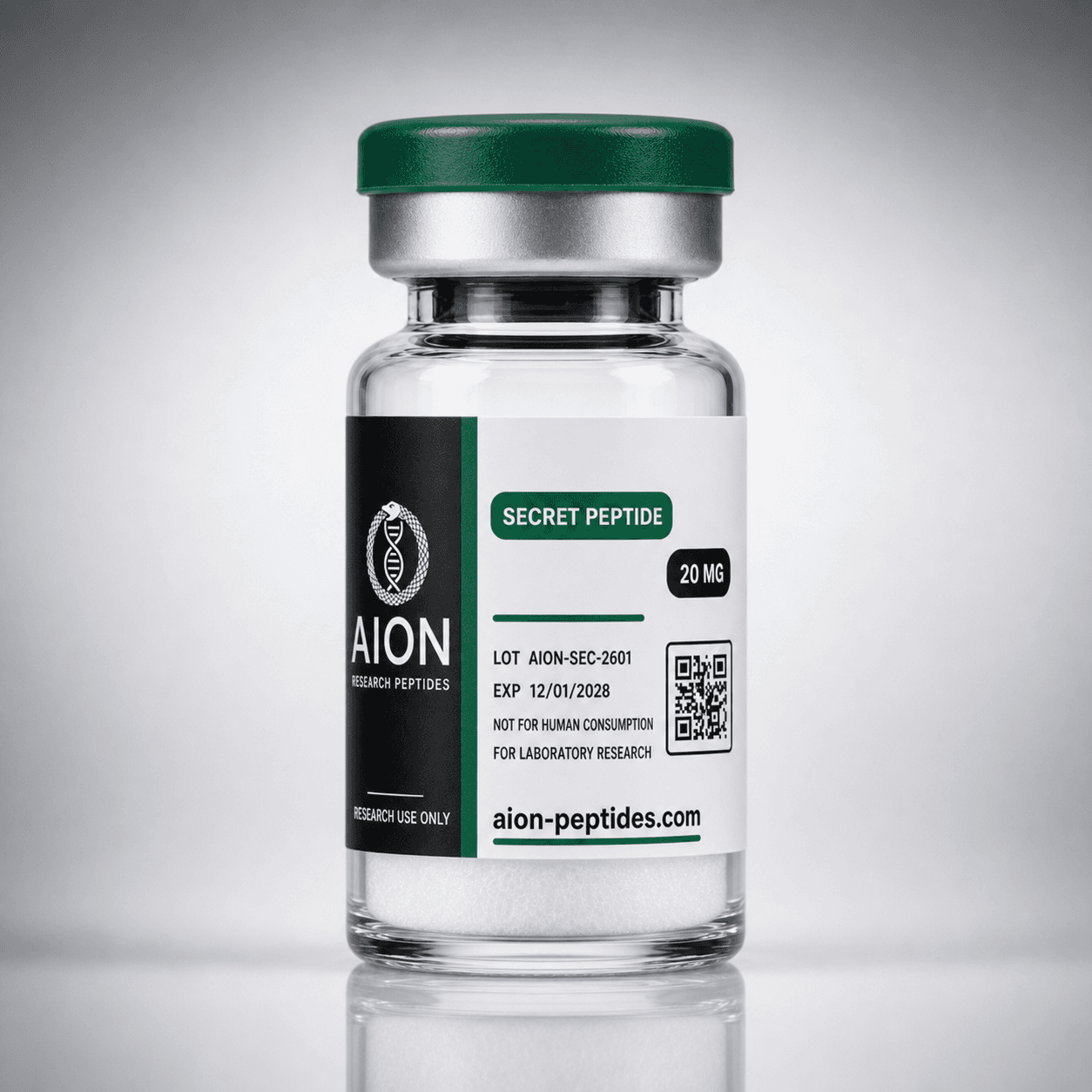
RTT-3 20mg
RTT-3 is supplied as a lyophilised powder in a sterile 3ml vial, 20mg per vial, with a butyl rubber stopper that allows multiple penetrations while maintaining a seal. Reconstitute with bacteriostatic water. Store lyophilised at -20°C for long-term storage; once reconstituted, hold at 2-8°C and use within 30 days, keeping it away from direct sunlight and heat. It appears in metabolic research. Also available as RTT-3 10mg. For laboratory research use only.
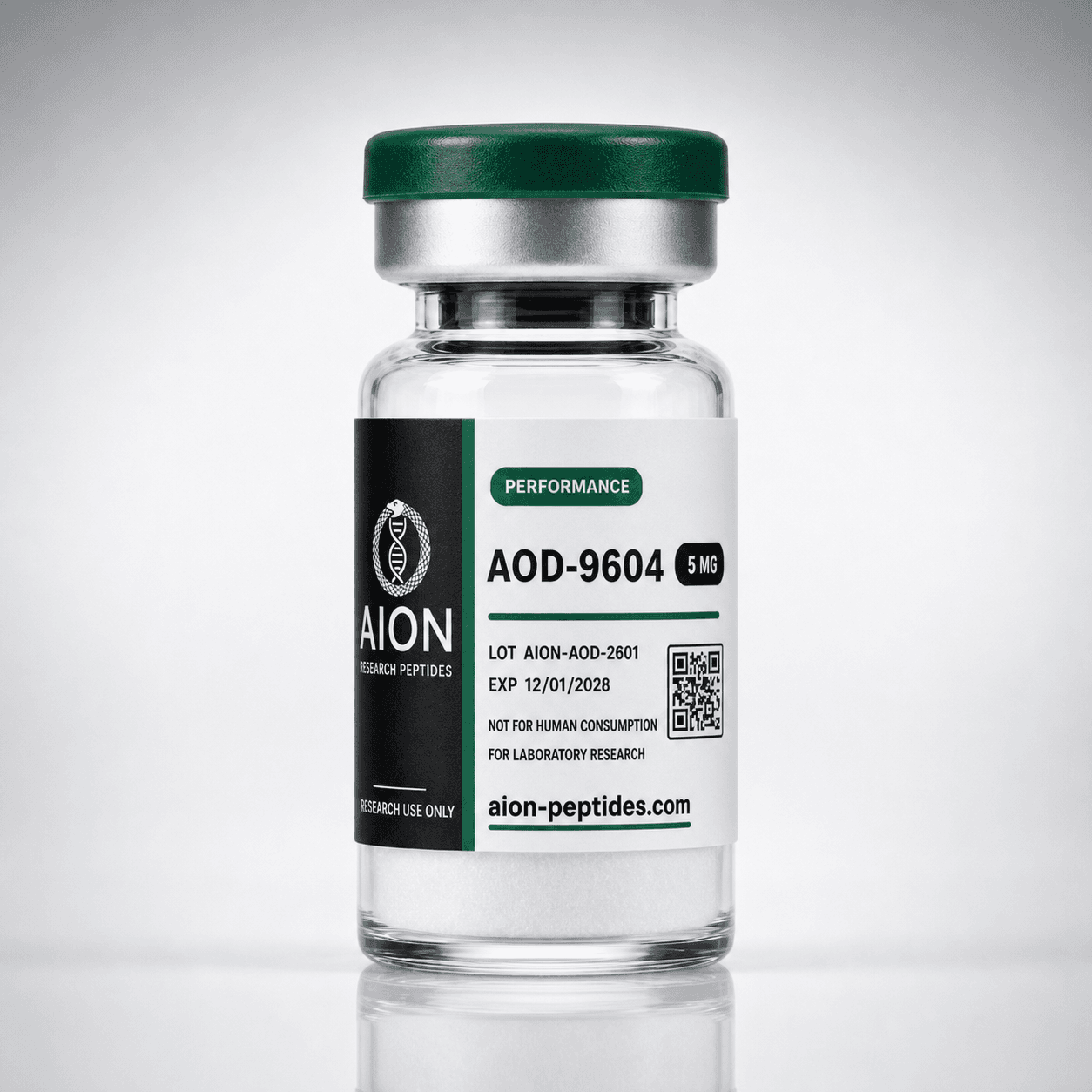
AOD-9604 5mg
AOD-9604 is a modified fragment of human growth hormone — the C-terminal residues 177–191, with a tyrosine added at the N-terminus to improve stability. It carries the lipolytic region of the parent hormone without its growth-promoting domain, which is why it appears in metabolic and adipose-tissue research rather than in growth studies. Supplied lyophilised. For laboratory research use only.
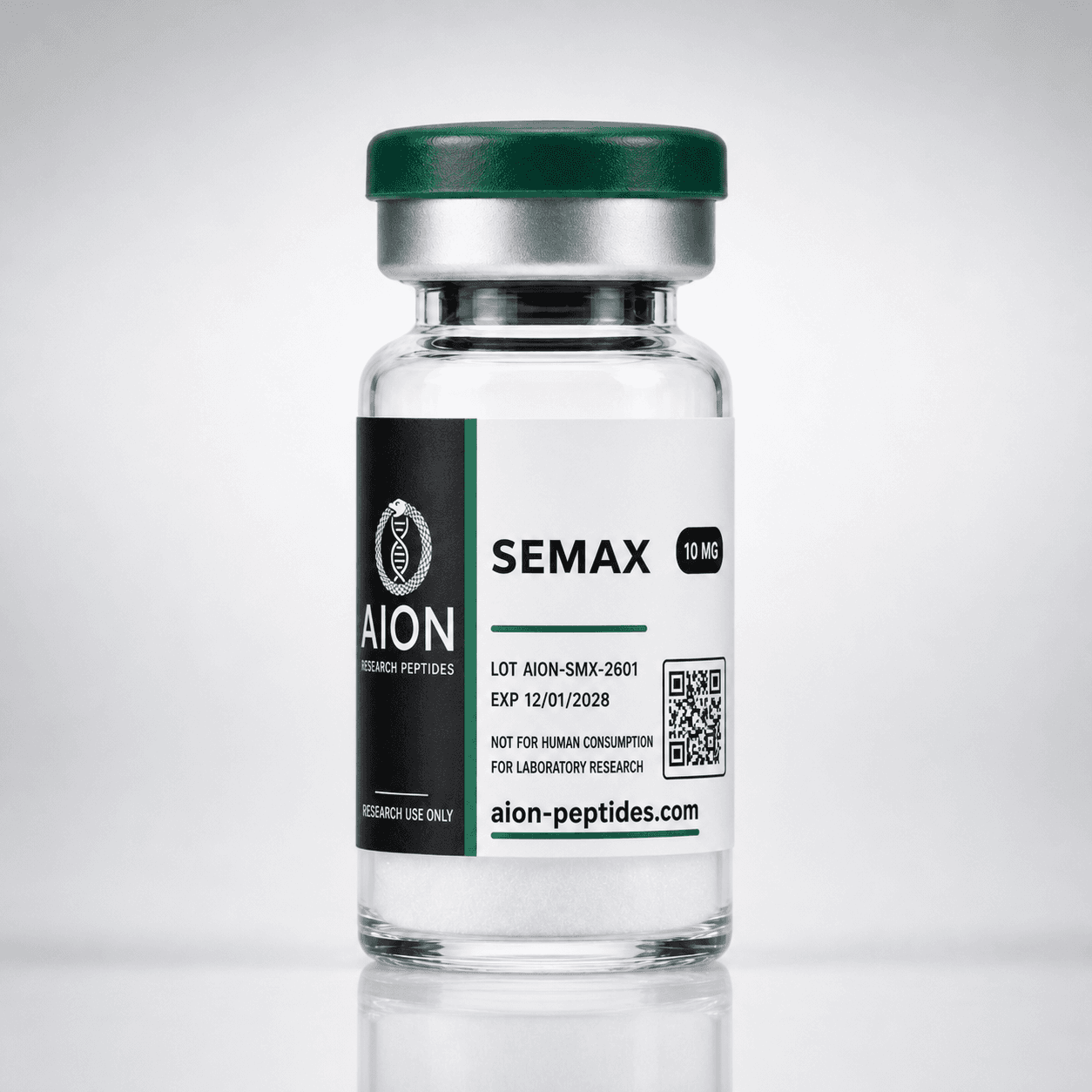
Semax 10mg
Semax is a synthetic heptapeptide based on ACTH(4–7), extended with a proline-glycine-proline tail that resists enzymatic breakdown. Like Selank it came out of the Institute of Molecular Genetics in Moscow. It appears in neuroprotection and BDNF-expression research. Supplied lyophilised. For laboratory research use only.
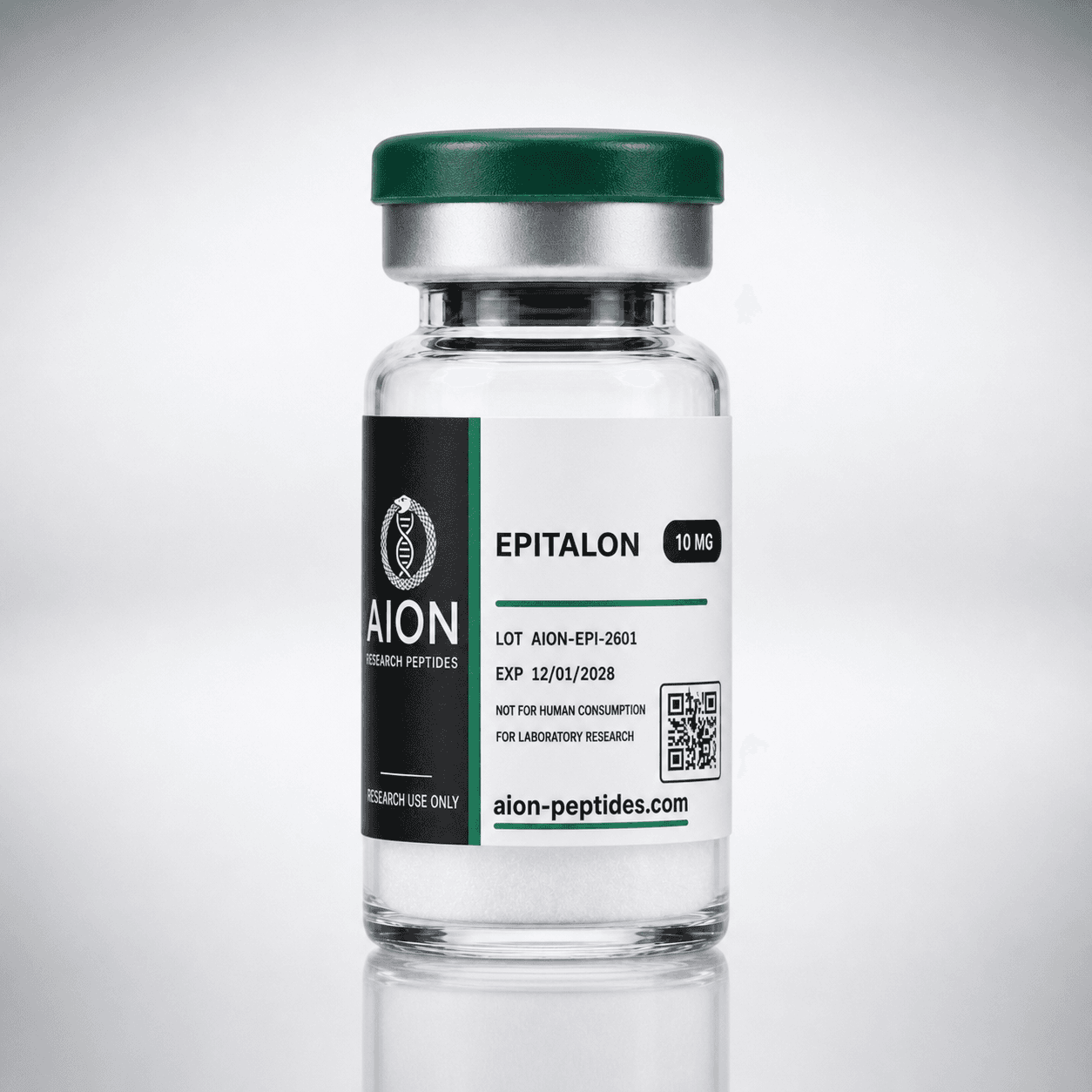
Epitalon 10mg
Epitalon is a synthetic tetrapeptide — alanyl-glutamyl-aspartyl-glycine — derived from epithalamin, a pineal gland extract characterised at the St Petersburg Institute of Bioregulation and Gerontology. It is the peptide most often cited in telomerase and pineal-regulation research. Supplied lyophilised. For laboratory research use only.
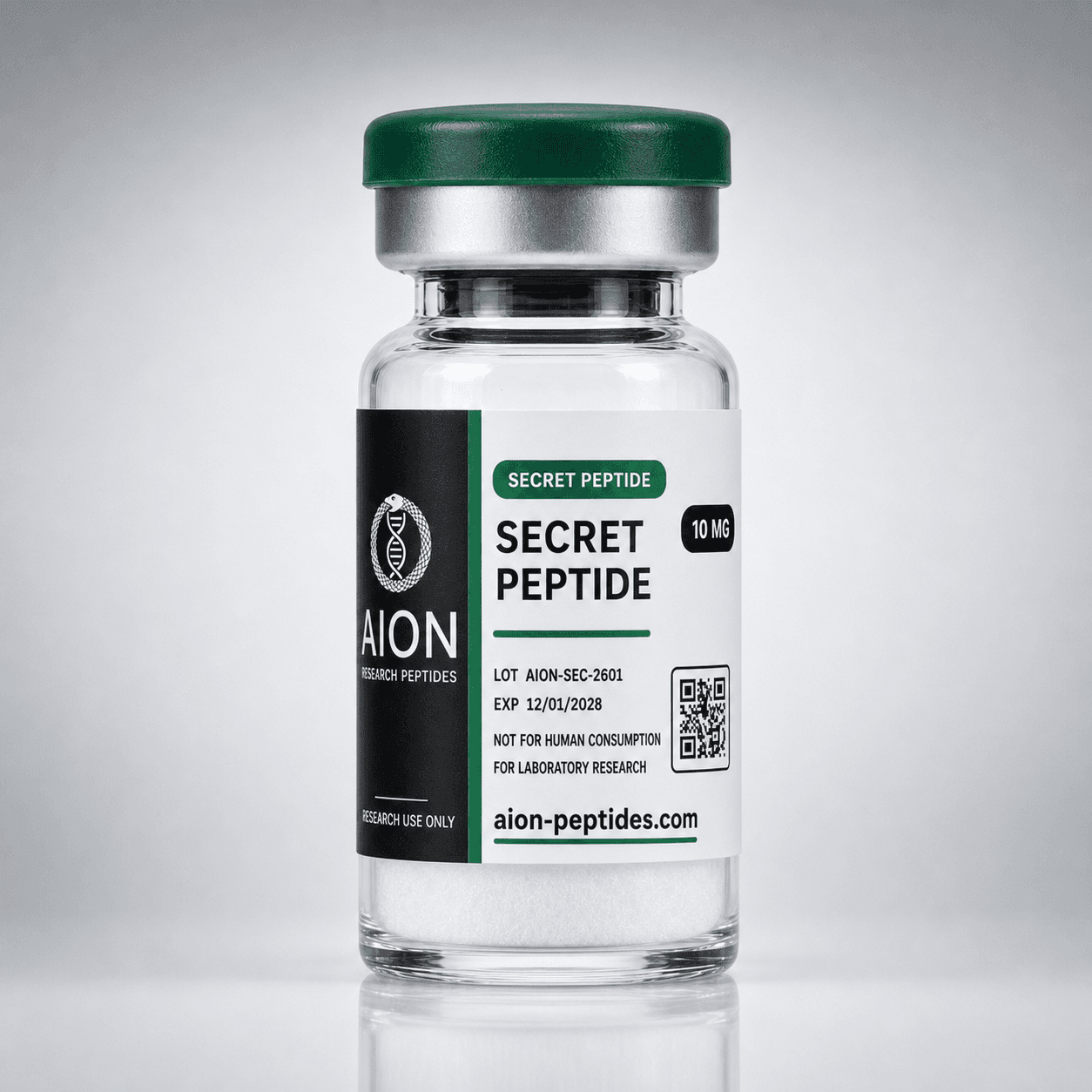
RTT-3 10mg
RTT-3 is supplied as a lyophilised powder in a sterile 3ml vial, 10mg per vial, with a butyl rubber stopper that allows multiple penetrations while maintaining a seal. Reconstitute with bacteriostatic water. Store lyophilised at -20°C for long-term storage; once reconstituted, hold at 2-8°C and use within 30 days, keeping it away from direct sunlight and heat. It appears in metabolic research. Also available as RTT-3 20mg. For laboratory research use only.